Gregory of Nyssa

The Filioque and the Greek Fathers

The Filioque and the Greek Fathers

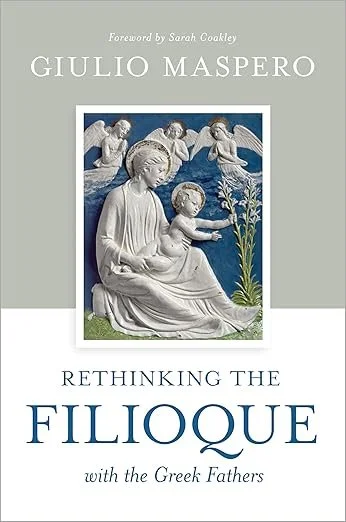
Maspero on the Holy Spirit: Maspero then shows how figures like Gregory of Nyssa, rejecting their claims, turned to focus on the concept of relation—not just nature—to understand distinction and union in the divine nature. And it is precisely this move to relation (which, recall, has been a major focus of Maspero’s theological interests) that spurs the imagining of the Spirit as “between” Father and Son in a way to address and move beyond the challenges of both a strictly linear and strictly triangular pattern.

Just Bread

Just Bread

Gregory of Nyssa on “Give us this day our daily bread”: “For if God is justice, the man who procures himself food through covetousness cannot have his bread from God. You are the master of your prayer, if abundance does not come from another's property and is not the result of another's tears; if no one is hungry or distressed because you are fully satisfied. For the bread of God is above all the fruit of justice.”

The Constraint of the Word: Graham Ward on Gregory of Nyssa

The Constraint of the Word: Graham Ward on Gregory of Nyssa

Graham Ward on Gregory of Nyssa’s Great Catechetical Oration: “The ‘system’ [of catechesis] is not an abstract set of propositions set out by the ministers who preside and to which allegiance is given by those taught. It is, first of all, intrinsic to the word itself as the Logos; the word of faith that teaches. The system is the constraining and necessary logic of the Logos. It is co-relative to both a social and institutional practice (teaching) and an operation (being saved). It is implicated in ‘the mystery of godliness’ or the hidden working of piety. Its aim is salvation through conversion.”